Patristic Mariology

Patristic Mariology: Mary in the writings of the Fathers of the Church
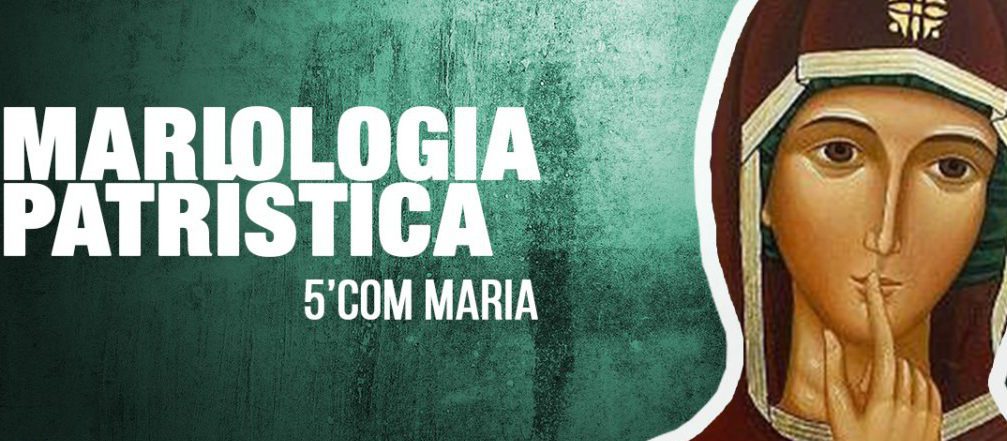
Episode on Athanasius of Alexandria
To deepen the study of Mary in the Patristic Tradition, we recommend the encyclical Redemptoris Mater by John Paul II.
Deepen your studies: explore Mariology, Marian Theology, Marian apparitions, and the Postgraduate Program in Mariology.
Postgraduate Program in Mariology
Would you like to deepen your formation in Mariology? Discover the Postgraduate Program in Mariology at Locus Mariologicus – an academic formation that unites theological rigor, spiritual life, and the living tradition of the Church.
The patristic timeline at Locus
- Saint Justin and the new Eve (2nd century)
- Clement of Alexandria: who he was and his thought
- Clement of Alexandria: Mariology and the theology of the Logos
- Hippolytus of Rome and the Traditio Apostolica (c. 215)
- The catacombs of Priscilla: the oldest Marian image
- Ephesus (431): the Theotokos defined
- Theotokos: what Mother of God means
Frequently Asked Questions
What is patristic Mariology? The study of what the Fathers of the Church (2nd-8th centuries) taught about Mary.
What is the oldest Marian prayer? The Sub tuum praesidium (“Beneath your protection”), from the 3rd century.
Who called Mary the “new Eve”? Saint Justin and Saint Irenaeus, in the 2nd century.
{“@context”:”https://schema.org”,”@type”:”FAQPage”,”mainEntity”:[{“@type”:”Question”,”name”:”O que é a mariologia patrística?”,”acceptedAnswer”:{“@type”:”Answer”,”text”:”O estudo do que os Padres da Igreja (séc. II-VIII) ensinaram sobre Maria.”}},{“@type”:”Question”,”name”:”Qual é a oração mariana mais antiga?”,”acceptedAnswer”:{“@type”:”Answer”,”text”:”O Sub tuum praesidium («À vossa proteção»), do séc. III.”}},{“@type”:”Question”,”name”:”Quem chamou Maria de «nova Eva»?”,”acceptedAnswer”:{“@type”:”Answer”,”text”:”São Justino e Santo Irineu, no séc. II.”}}]}
📖 Would you like to study this seriously? Discover the Postgraduate Program in Mariology at Locus, a rigorous academic formation for theologians, priests, religious, and laypeople.





Responses